

Myopia is on the rise with the World Health Organisation estimating 50 percent of the world’s population will be myopic by 2050. Read about the latest research in myopia prevention.
Read MoreTips and Tricks for Contact Lens Wearers
Whether it’s your first-time wearing contact lenses or you are a seasoned wearer but you are still trying to find the best techniques, here are some insertion, removal tips and the dos and don’ts of contact lens wear.
Insertion tips
Insert the same lens first – this is to avoid confusion and inserting a lens into the wrong eye!.
Ensure the lens is moist from the contact lens solution – a dehydrated contact lens will not adhere to the eye, will be uncomfortable and may compromise your vision.
Check the lens is not inside out – look at the side profile of the lens as it balances on the tip of your finger. If it is the correct way the lens will appear spherical as opposed to having a fluted edge like a pudding bowl. Alternatively, gently squeeze the lens between your thumb and forefinger. If it touches, the lens is the correct way. This is known as the ‘taco test’

Place the contact lens on the tip of your index finger and with with the middle finger of the same hand pull down your lower lid
Use your free hand to pull the top eye lid up right at the edge of the lid near the lashes – this will help to stop the blink reflex
Keep looking straight ahead while bringing the lens towards the eye – this helps to centre the lens on the cornea
Once the lens is on the eye, gently move your eyes around and close them – this helps to displace any air bubbles and makes ensures the lens is centered
Removal tips
If you feel your contact lens is a bit dry apply a lubricating eye drop to the eye – this will help the lens slide of the eye
Pull down your lower eyelid with your middle finger and look either up or to the side
·Using the index finger of the same hand slide the lens to the white part of the eye ( the sclera)
Using your thumb and index finger carefully pinch the lens and remove it from the eye – the contact has remained on your eye for the whole day so don’t be afraid to apply a bit of pressure
Dos
Trim your nails- particularly on your thumb and index finger- this reduces the risk of scratching your eye!
Always wash your hands with soap and water and dry with a lint-free towel or tissue before handling your lenses
Discontinue contact lens wear if you experience persistent discomfort, redness or blurred vision – contact your optometrist for advice
Insert and remove your contact lenses before applying or removing your make up
Clean your lenses thoroughly – follow the instructions given by your optometrist. If you are wearing daily disposable contact lenses, there is no cleaning routine required.
Clean your contact lens case – this is just as important as cleaning your contact lenses. In fact a dirty lens case is the most common source of eye infections.
Use contact lens solution to rub and rinse it. Or once per week wash with hot soapy water and allow it to air dry. It is recommended to replace your case every 3 months- a bit like your tooth brush!
Always purchase your lenses from an eye care professional to ensure your lenses are legitimate and have not been involved in any industry safety recalls. Evidence shows a higher incidence of contact lens related complications in people who simply buy their lenses of the internet.
Return to your optometrist on an annual basis to ensure your eyes remain healthy and your lenses are still the best option for you and your lifestyle.
Don’ts
Use tap water to store, clean or rinse your contact lenses – water can have a variety of microorganisms that can cause serious infection to the eye.
Take care around water based activities such as showering, swimming in pools, hot tubs or saunas. When swimming keep your eyes closed or wear goggles. Daily replacement contact lenses are the safest for water sports.
·Wear your lenses sleeping – unless advised by your optometrist. It has been shown to increase the risk of an eye infection by up to 8 times.
Use the lens if the pack is open or damaged or if the lens itself is damaged
Use expired lenses or solutions
No matter what type of contact lens you wear, remember that contact lens care and safety are crucial to maintaining good eye health and an enjoyable contact lens wearing experience.
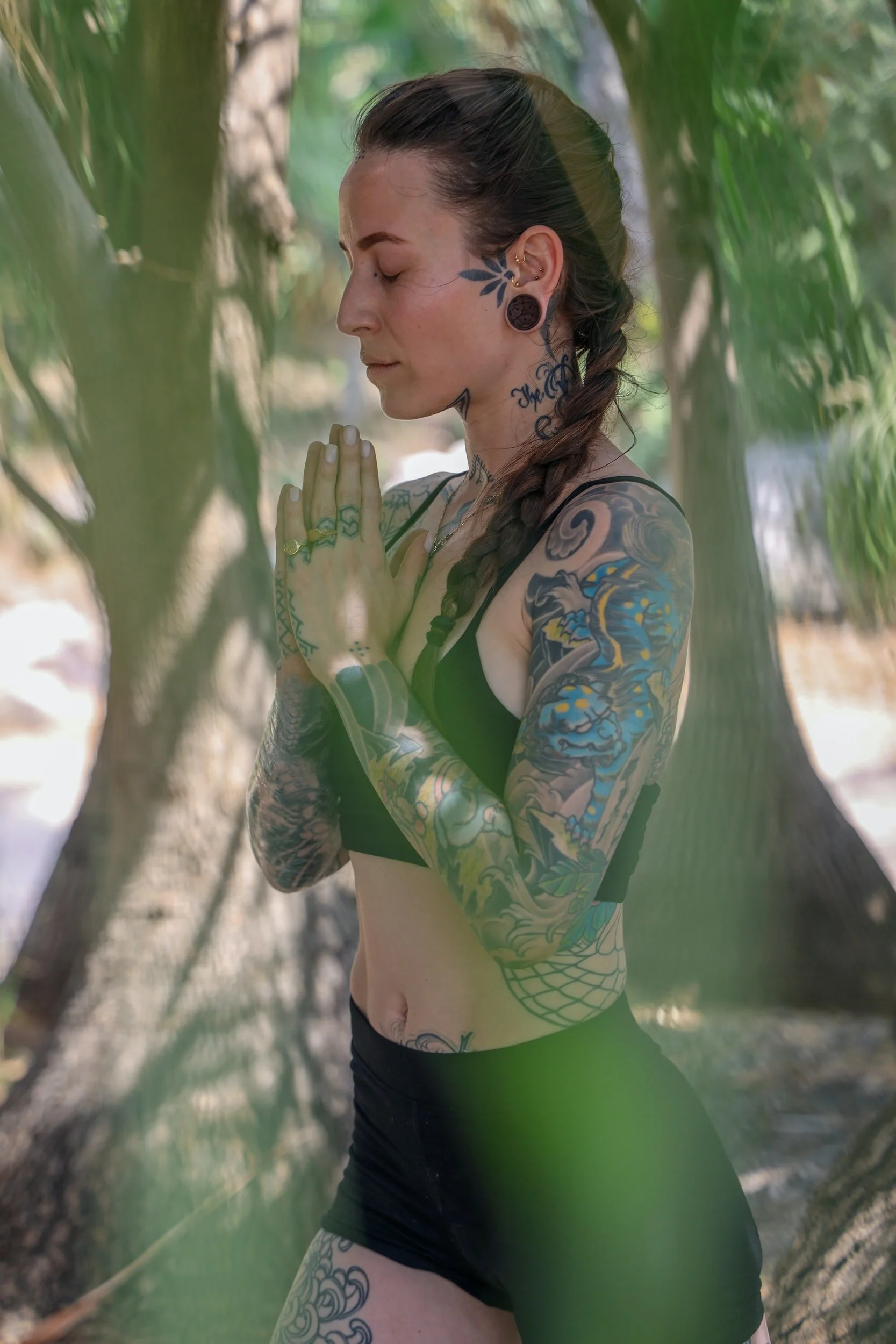
Complementary therapy for glaucoma patients
When I last attended the International Glaucoma Symposium, one of the presentations which resonated with me was by Professor and Ophthalmologist, Tanuj Dada from the All India Institute of Medical Sciences.
Through his pioneering research on meditation and its impact on glaucoma patients he offers an alternative but complementary therapy for those already on conventional treatment for their eye disease.
His talk offered compelling reasons for all of us to adopt the practice of meditation, yogic or deep nasal breathing.
Physiological benefits
Helping to increase cerebral and ocular blood flow
Increasing blood oxygenation
Reduces cortisol (stress hormone ) release
Increase in nitric oxide-a natural vasodilator which is released by most cells in our body, including the eye
Activation of the parasympathetic nervous system and reduction in sympathetic nervous system activity ( therefore, helping to mediate our fight or flight response)
How this helps our physical and mental well-being
Promotes brain health and neural plasticity along with synthesis of grey and white matter in the cerebral cortex
Reduction in intraocular pressure – may be a useful adjunctive therapy for those diagnosed with glaucoma
Reduction in blood pressure
Meditation creates a relaxation response thus helps to reduce stress and anxiety
Promotes quality sleep
Helps to activate our pre-frontal cortex (our thinking brain) and deactivates our reptilian (reactive) brain. This helps us return to a mental state of learning
As an Optometrist who manages glaucoma, I look forward to discussing possible lifestyle changes with my patients which may have a positive effect on their eye condition. For some time I have recommended a healthy diet and moderate exercise but meditation and yogic breathing will now be included in our conversation.
If you have glaucoma it is important to continue your eye medication as this is the best and most proven way to keep your eye pressure in check. Furthermore, if you have been told you are at risk of glaucoma it is important to always attend your regular eye health reviews with your optometrist or ophthalmologist. Always consult with your eye care professional if you are considering making lifestyle changes which may have an impact on your glaucoma management.

Readers, Bifocals or Progressives- what is the difference?
It is usual after the age of 40 to find your near focus is becoming more difficult. At this stage you would have developed an unpreventable condition called presbyopia. This is where you gradually lose your near focusing ability with age. If you aren’t already wearing glasses this may be a frightening reality but there are many options depending on your lifestyle and visual requirements.
So what options are there to enable you to still see that restaurant menu or continue your hobby of knitting?
Readers
These will only be able to provide you with clear near vision. This is because the lens only allows you to focus at one particular working distance, usually 40cm. This would be ideal if you are wanting to complete near tasks for long periods of time such as reading, knitting or sewing. Remember that distance objects may appear blurry through your readers so you will need to take them off to look into the distance.
Bifocals
Bifocals consist of two lenses, one which allows you to see in the distance and the other up close. At around 50 years of age when you have lost most of your near focusing ability it can make intermediate objects blurry. This is where a third portion is added to provide an intermediate correction. These are called trifocal lenses and are helpful with tasks such as working on a computer.
As simple as bifocals and trifocals sound, they can cause an image jump effect. This is due to shift in power of the near segment. There is a dividing line on the lens which can be seen in the public eye as a sign of ageing. This can make bifocals and trifocals cosmetically unappealing to some wearers. Despite this the dividing line helps guide the wearer on where to look and provides a large reading zone.
Progressives
Instead of placing different lenses together as is the case with bifocals and trifocals, progressives are one lens that provides continuous vision at all distances. This is due to a smooth increase in power from distance to near through the intermediate zone.
The design of the lens can cause a slight ‘swim’ effect in the periphery of the lens. This may initially be disconcerting but after learning how to use them correctly your eyes quickly adapt with the lenses appearing clear and comfortable.. Unlike bifocals and trifocals there is no dividing line or image jumps due to the smooth transition in power through the lens., thus creating the most natural type of vision for those over 40 years.
The adjustment period
As with any change in prescription it requires time for your eyes to adjust and progressives are no different. Don’t be afraid to give them a go and following these steps will make the adjustment process easier:
· Wear your glasses as much as you can – this gives your visual system a better chance to adjust to the new lenses.
· Practice moving your head to see objects in your periphery – if you just move your eyes you may experience blur through the edge of the lens. It is a good rule of thumb to point your nose directly at what you wish to look at.
· Practice getting used to where your head should be when performing different visual tasks – If you are wanting to read keep your chin up and lower your eyes. If you are walking up or down stairs remember to drop your chin, so you are looking through the top portion of the lens.
If you still have queries about these lens options book in for a comprehensive eye examination or feel free to drop in and discuss your visual requirements with one of our friendly team. The success of any pair of glasses is not just dependent on the prescription, but also the lens quality and technology along with the frame fit and adjustment.
We are always here to help and aim to give you the best vision possible.

Hand Sanitiser harming Children's Eyes
Who knew something as effective as hand sanitisers which help us avoid the spread of COVID-19 could be harming our children’s eyes?
Well during the COVID-19 pandemic we have all seen a rise in access to hand sanitisers at various public spaces. They are everywhere now; in shopping malls, schools, cafes and restaurants. The hand sanitisers which are automatic are frequently positioned at an average face height for a child of 3.5 years old. This creates opportunity for our children’s eyes to become exposed.
This could explain why eye health professionals are seeing an increase in alcohol-based hand sanitiser (ABHS) related ocular exposures in children, as reported by the French Poison Control Centre.
What we can take from this is while ABHS are a useful part of our armament against COVID-19, we should be careful with these agents around children. If the hand sanitiser is effective enough to kill a virus, it is effective enough to cause severe damage to the eye.
To limit the risks of ABHS induced ocular injuries parents are recommended to promote their children to wash their hands with soap and warm water, rather than alcohol-based agents. Also teaching your children how to correctly use sanitisers could help reduce the risks of ABHS related ocular exposures.
As with any chemical splash in the eye, it is recommended to irrigate the eye with water or saline and seek medical advice.

Primitive Reflexes and Vision Development
What are Primitive reflexes?
We enter this world with neonatal or primitive reflexes. With the purpose of assisting an infant to survive and thrive in their new environment, primitive reflexes are a set of involuntary movements that occur in response to certain stimuli. You will have encountered these when you were last in the presence of a newborn but may not have given them too much thought. Some examples;
Palmar or grasping reflex- a baby will make a strong and persistent grip around an object placed in their palm; with this reflex disappearing around 6 months.
Plantar reflex- when the sole of the foot is stroked the big toe will move upwards and outwards with the other toes also spreading outwards. This reflex may be present up to 2 years.
Spinal Galant reflex- within the first 4-6 months if a baby is stroked along either side of their spine, their body will turn to the same side.
Moro or startle reflex- as the name suggest, when an infant is startled, for instance, by a loud noise, the arms and legs will be thrown outward in response. This reflex usually disappears around 2 months of age, but may persist up to 6 months.
Why do we care about primitive reflexes?
While the reflexes play an important role in our adaptation to the world and in our early brain development, if a baby was to retain these reflexes the maturing of the neurological system may be delayed or disrupted. This may lead to behavioural, physical or learning difficulty as the child grows.
Vision development and primitive reflexes
The remarkable thing about primitive reflexes, is the fact they begin before the baby is even born and actually assist with the birthing process. As the baby continues to grow, they are essential for development of muscle tone and posture, head control and integration of our senses. As the baby develops further these involuntary reflexes are no longer required as they are replaced with more controlled responses as the baby ‘learns’ about the world. With timely integration of the reflexes, development of gross motor skills such as crawling, standing and walking occurs. Followed by fine motor skills of holding a pen, tying shoe laces and then the even more precise muscle control of eye movements and teaming. Thus preparing the child to have the physical ability to be able to learn to read when they start school.
Retained reflexes and behavioural optometry
If the primitive reflexes are not integrated they can get in the way of vision development and learning potential. Some examples of the effects of retained reflexes;
Spinal Galant- Poor concentration, fidgeting, decreased short term memory, attention deficit, discomfort with waistbands and sitting on a chair
Moro reflex- anxiety, emotional immaturity, impulsive, sensitive to noise and sensory overload
Tonic Labyrinth reflex- Letter reversals, difficulty sequencing, motion sickness, toe-walking
Symmetrical Tonic Neck reflex- hyperactivity, poor integration of upper and lower body
Asymmetrical tonic neck reflex- Poor co-ordination, learning disabilities, association with dyslexia
What can we do about retained primitive reflexes?
It is important to revisit the stage of development that may have been disrupted; this may entail for instance teaching a child to crawl again, or being able to ‘cross – pattern’ walk and then gradually building development to an age appropriate level. Behavioural optometrists and some occupational therapists with an interest in this area will be able to assist and create a therapy program to assist the child in maximising their potential!
When should my child have an eye test?
Most of a child’s learning is done through their eyes so there is a clear link with how well a child can see and how well they may develop either academically, socially or athletically.
Vision doesn’t just happen. In fact, when a child is born, they don’t know how to see. A child’s brain learns how to use eyes to see, just like it learns how to use legs to walk or a mouth to form words.
Vision develops from birth, right through until the age of eight. This is known as the ‘critical period’ because if a vision deficit is corrected during this time, the eye to brain pathway is still able to adapt and allow quality vision. It is crucial during this time that the two eyes see equally in order for them to learn to work together. This allows the child to develop good binocular or 3D vision.
Unfortunately, the longer a vision problem goes untreated, the more a child’s brain learns to accommodate that problem. For example, if one eye has blurred vision, this eye will become amblyopic or lazy- this means it will never see as well as the other eye regardless of glasses, contact lenses or surgery in their later years.
The good news is that the majority of vision impairment in school age children is due to them simply needing a pair of glasses to correct a defocus of one or both eyes.
Preschool kiwi kids receive a free vision screening as part of their 4 year old B4 School Check (B4SC). This entails checking distance vision and comparing the results to an expected normal level. This can be particularly useful in detecting myopia or short-sight. However, it has been postulated for some time, that kids with hyperopia or long-sight may well go undetected. Long-sighted children can often compensate for their refractive error by focusing hard to achieve clear vision, however, this can result in reduced comfort and performance with near tasks.
The recent Welcome to School (WTS) was employed in Auckland to test the efficacy of the B4SC to detect refractive error and visual impairment by following a group of 6-7 year old children.
Results showed the B4SC was effective at detecting all children with amblyopic risk factors, ( for example, one eye having reduced vision), however, the vision screening was shown to be ineffective at detecting significant refractive error with nearly 60% of kids in this category passing the screening! Furthermore, having passed the test, none of these children had visited an optometrist for an eye exam and therefore, they were not wearing glasses to correct their focusing error.
As an optometrist, I understand that children with uncorrected vision conditions or eye health problems face many barriers in life. High quality eye care can break down these barriers and help enable our children to reach their highest potential. For this reason it is never too early to have their vision and eyes assessed. In fact, the New Zealand Association of Optometrists recommends that children have their eyes examined:
• At 6 to 12 months old
• At 2 to 3 years of age
• Before starting school
• Through their school years as indicated by vision screening, school performance or as recommended by your GP or optometrist.
It is particularly important for children to be tested at a young age if either of his/her parents required glasses as a child or teenager.
An eye exam is tailored to your child and their age and most kids really enjoy it – parents often comment they are surprised at how well their child has managed all the different vision checks.
If you have any queries regarding your child’s vision don’t hesitate to contact me through our website or Facebook page. Or simply contact us to arrange an appointment.

Mind that child
The Early Years Last Forever- Kristine Jensen Owner- Optometrist of Eyes of Howick talks about neurodevelopment of babies and children.
Read MoreMigraine

What is migraine?
It is a neurovascular headache, meaning it manifests as a result of complex events and interactions between both the central and peripheral nervous system and blood supply to the brain.
Migraine is often inherited and is considered the 3rd most common disabling event for those under the age of 50 years.
Symptoms of migraine
Warning stage – You may experience subtle clues that you will develop a migraine which may include neck stiffness, mood changes, constipation, fatigue, thirst or craving of sweet foods
Aura- Visual disturbance which may include light flashes, zig-zags, spots or tunnel vision. But may also cause numbness or tingling on one side of the face or body, hearing or speech disturbance, memory loss, confusion, dizziness or even fainting. The Aura usually occurs before the headache and most commonly persists for 5-20 minutes. Some people will experience the aura only; without the headache developing.
The Headache- throbbing pain, usually on one side of the head. This may be accompanied by nausea, vomiting, and sensitivity to light, sound or head movement.
Resolution & Hangover- Symptoms usually gradually fade but a ‘hangover ‘effect can persist for hours to several days. Symptoms may be similar to the early warning stage or can be the opposite, ie. If appetite was initially lost you may be incredibly hungry.
What causes migraine?
Genetics- sufferers often have a first degree relative with migraine
Sensory overload- sensitivity to light, patterns, sound and even smells
Foods and food additives- certain foods may trigger a migraine such as cheese and chocolate. MSG and some artificial sweeteners may also be implicated.
Sleep disturbance- either too much or not enough
Hormonal fluctuations
Stress or Anxiety
Physical Exertion
What you should do
First of all, if you experience regular headaches, or any significant headache event it is paramount you visit your family doctor for a thorough general health assessment and diagnosis.
A headache diary can be useful to help pinpoint any trigger to your headache.
What can help?
Medication can be prescribed to reduce the pain and even prevent events from occurring. Some patients require referral to a neurologist to help manage their symptoms.
Lifestyle changes including regular sleep, exercise and a healthy diet. Limit alcohol.
Consider an eye examination. In my experience, those with migraine, benefit from correction of even small vision imperfections. We often recommend lenses to reduce light intensity, blue-light exposure, reflection and glare indoors. Prescription sunglasses are helpful in brighter light conditions. I have also recently experienced success with a migraine patient who has found relief from light sensitivity with the new Acuvue Transition Contact Lenses. These lenses, incredibly incorporate the adaptive tint technology of traditional Transitions spectacle lenses but within a contact lens. They can even be helpful to reduce glare when night driving.
Feel free to contact us if you have any queries about your vision or light sensitivity.

Pattern Glare- are you affected?
Pattern glare and visual snow are conditions that I have only recently learnt about. Read on to see if you or your loved ones are affected….
Read More
Welcome to the Transitions family of light adaptive lenses
Transitions truly have a lens for every light.
In a previous blog, I discussed the latest Transitions® GEN S lenses which react faster and go darker than ever before, along with the range of 8 exclusive colours which not allow you to choose a tint to complement your frame choice but also choose the colour which provides your eyes with the most comfortable vision..
But what lens solutions are available for those occasions when your eyes need even more light protection?
Transitions XTRActive lenses have a slightly darker base tint- available in Grey, Brown or Graphite Green, they provide sensitive eyes with the best blue light protection indoors and block up to 90% of harmful blue light outdoors. They are extra dark in sunlight, achieving a category 3 level of darkness to help provide the best overall blue and sun light protection across light situations. These lenses will also react behind a windscreen- so ideal for people who are not able to invest in a second pair of sunglasses for driving. The XTRActive Transitions will block 50% of light to the eyes while driving, reaching a Category 2 sunglass level.
If, however, you spend a lot of your time behind the wheel or are an outdoor enthusiast, the ultimate choice would be Transitions XTRActive Polarized lenses - these lenses are polarised when outdoors, thus blocking reflected glare and is also photochromatic, adapting to the different light levels you may be exposed to, reaching a category 3 sunglass level of darkness. It also changes colour, further adapting to lighting conditions and enhancing contrast while driving
Remember all our Transitions lenses provide 100 percent UV protection along with blue light reduction. With your eyes being as precious as they are, it is reassuring to have so many options to protect them!
Eyewear- a declaration of love
Read a guest blogger’s account of her love for her glasses……
Read More
COMPUTER VISION SYNDROME
Screen time is on the increase, particularly during lockdowns when we don’t get the interruptions of normal office or school life. Read on to get some tips on how to rest your eyes.
Read MoreCOVID-19 and your eyes-what you need to know

Coronavirus and your eyes
COVID-19 is a new illness that can affect your lungs and airways. It’s caused by a type of Coronavirus. Symptoms are fever (at least 38°C), cough and shortness of breath. These symptoms may appear 2-10 days after a person has been infected.
Coronavirus can spread through the eyes
When a sick person coughs, sneezes or talks, virus particles may infect another person through their mouth, nose or eyes. Droplets of the virus may land on surfaces such as counter tops and door knobs, so it is important to wash your hands before touching your face or eating.
Coronavirus and conjunctivitis
Like any virus, COVID-19 can lead to inflammation of the eye- known as viral conjunctivitis. While it is thought to only occur in 1-3% of cases, like any conjunctivitis, it is important to practice good hygiene to avoid infecting others- so always wash your hands after touching your eyes or your tears.
Contact lenses or glasses?
If you are a contact lens wearer, you tend to touch your face and eyes more regularly so now would be a good time to wear your glasses more regularly. It would be a good idea to ensure your glasses are up to date so you can still enjoy clear vision. Furthermore, glasses or sunglasses may also add a layer of protection.
Eye drops
Ensure you have an adequate supply of eye drop medication such as glaucoma drops as it is important to continue with these drops on a daily basis and you don’t want to get caught short if you had to self-quarantine. Please don’t hesitate to phone or email us if you need a repeat prescription. Many pharmacies offer a delivery service.
Avoid eye rubbing
We all do this more often than we realise but try and become aware of this habit and avoid it whenever possible. If you need to rub your eyes, ensure your hands are washed first or use the edge of a tissue instead of your fingers.
Dry eyes and allergy can lead to more eye irritation so keep up with your dry eye drops and treatment and talk to us about prescription eye drops to control your allergy symptoms.
By taking some simple hygiene measures and being sensible if you are unwell, we can all get through this together and stay safe and healthy.

Help your child see 2020- now and into the future.
Learn what you can do to reduce your child’s risk of becoming myopic.
Read More
Presbyopia- vision after 40
Change- to vision after 40
Ch- ch- changes turn and face the strain.
Pretty soon you’re gonna get a little older
Time may change me
But I can’t trace time
If you know the rest of the words to this David Bowie song, chances are you are over 40! Speaking of change, an inevitable one to occur around this age is the reduced ability to see near print and objects clearly.
If you have never required glasses or contacts to correct distance vision, this loss of near vision can be concerning and frustrating. You may feel like you have abruptly lost the ability to read that restaurant menu, your mobile phone or even the DVD screen on that last plane trip.
In reality, your vision has been undergoing gradual change since childhood but it is only now that your eyes don’t have enough focusing power to see clearly for closer work- this is known as presbyopia. A result of the lens inside the eye losing its flexibility which allows the eye to change focus from objects that are far away to objects that are near.
Another inevitability is that we all approach change differently. Some of us resist it, while others embrace it, or likely just gradually resign ourselves to things being different. When your vision starts to change, the unknown is scary. However, presbyopia is normal and there are several solutions to enhance your vision.
While some people resort to cheap over the counter glasses; they are just getting by. Furthermore as we get older, we also need to look after our health. Medically speaking, from the age of 40, is when our risk increases for eye conditions like glaucoma – conditions that with early detection and treatment mean that you can maintain good vision for your lifetime. So the change in near vision focus after 40 could be said to be telling you that it’s time to see your optometrist, and start having regular eye examinations.
People with presbyopia have several options to regain clear near vision. They include;
Glasses; with a personalised prescription and quality lenses your vision can be as sharp as ever and depending on your lifestyle, occupation, hobbies and daily visual demands there are several lens options to ensure glasses work well for you.
Furthermore, don’t underestimate the importance of a perfectly fitting spectacle frame. Frames are not unlike shoes: they not only have to look good but they must fit well for the glasses to work their best. Quality does feel better and will last the distance meaning you can often reuse your frame even if your prescription lenses require updating.
Contact lenses; including multifocal to provide both clear distance and near vision simultaneously.
Surgery; such as LASIK or other refractive surgeries
Initially, presbyopia becomes more advanced. You may notice that you need to change your glasses or contact lens prescription more frequently than you used to. Around age 60, these changes in near vision reduce, and prescription changes should occur less often.
Presbyopia can't be prevented or cured, but most people should be able to regain clear, comfortable near vision for all of their lifestyle needs. So if it is you or someone in your family, experiencing changing vision, help them to embrace the change and book in for a comprehensive eye examination at your local optometrist. And just in case you are wondering, David Bowie’s song Changes, was released on the Hunky Dory album in 1971.

Sunlight
Learn about the varying light rays that are emitted from the sun.
Read More
Double Trouble
Diplopia, or double vision, is the experience of seeing two images of the same object at once. While diplopia is relatively uncommon, if you suddenly experience double images when your eyes normally work well together, it is important to take this seriously and be assessed by an optometrist or ophthalmologist as soon as possible
Read More
Sunscreen for your eyes
Don’t forget about your eyes when it comes to protecting yourself from the summer sun….
Read More
Itchy Eyes
Springtime and summer are renowned for being a time of allergy for those susceptible. It is a busy time for us Optometrists, helping our patients to manage their eye allergy symptoms…….
Read More